
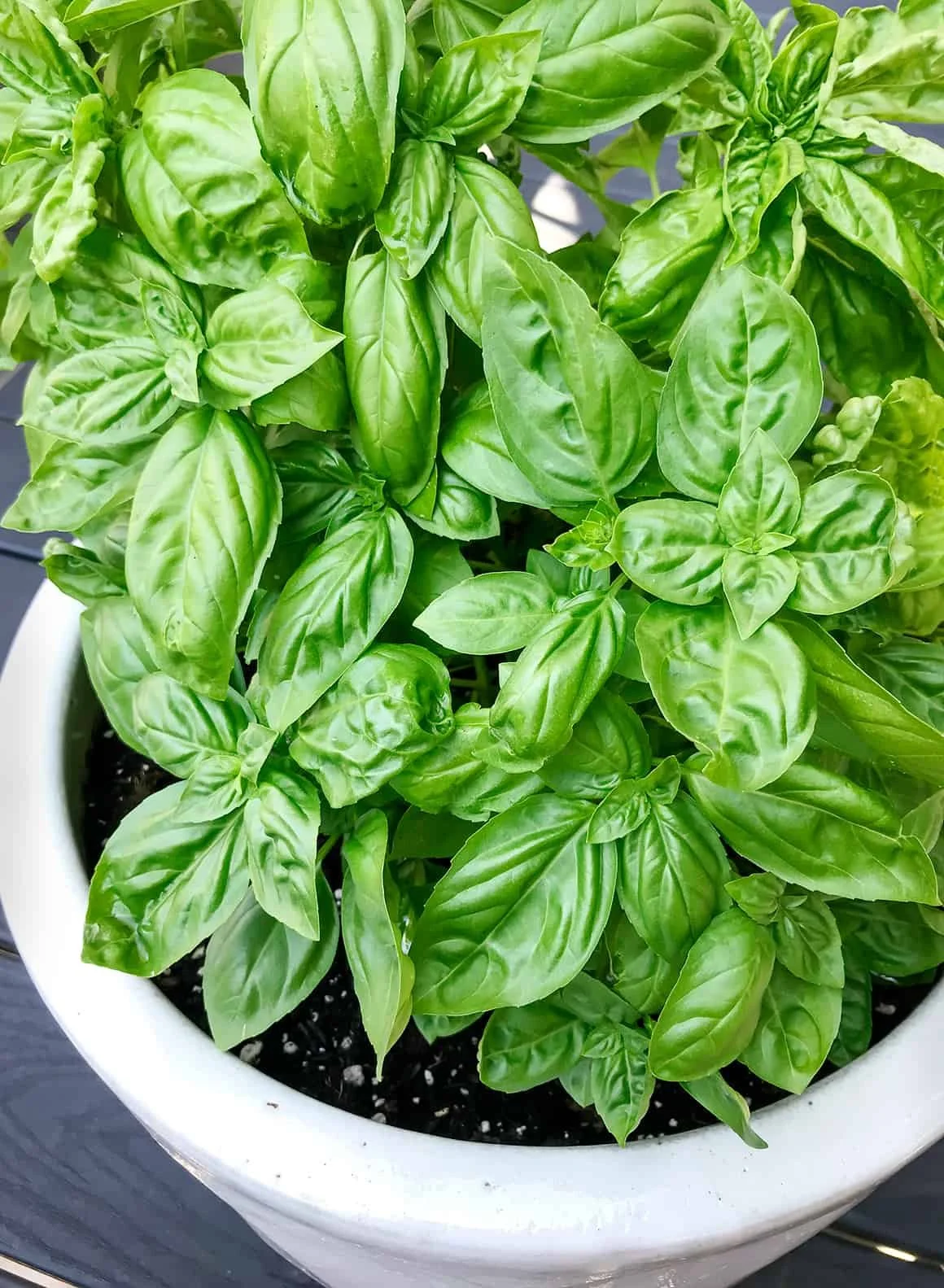
Basil 101: Pesto offers a vibrant and aromatic glimpse into Italian cuisine that fills your kitchen with delightful scents of fresh herbs and garlic. This easy and comforting recipe captures the essence of summertime with its bright green color and rich flavors, making it a must-try for anyone looking to elevate their meals. Whether you’re whipping it up for a family dinner or preparing a quick snack, this step-by-step guide will help you create a homemade sauce that’s not only simple but also endlessly versatile.
Ingredients
For this deliciously fragrant pesto, you’ll need a handful of fresh ingredients that come together to create a creamy and luscious sauce. Start with ½ cup of toasted pine nuts, adding a satisfying crunch and nutty flavor. The bright 2 tablespoons of fresh lemon juice cut through the richness, while a small garlic clove offers a slight pungency that perfectly complements the fresh herbs. Use ¼ teaspoon of sea salt and freshly ground black pepper to enhance the flavors, and most importantly, 2 cups of fresh basil leaves embody the heart of this dish, infusing it with an aromatic and herbal quality. Finally, drizzle in ¼ cup of extra-virgin olive oil for a silky texture, and for those cheese lovers, ¼ cup of grated Parmesan cheese can be added for an extra layer of flavor.
Step-by-Step Directions
To create your delicious pesto, start by gathering all your ingredients. In a food processor, combine the toasted pine nuts, fresh lemon juice, garlic, sea salt, and a few grinds of black pepper. Pulse these ingredients together until they are well chopped, releasing that aromatic garlic fragrance.
Next, add the fresh basil leaves to the mixture and pulse again until combined. The basil should be thoroughly incorporated, turning the mixture a bright green. With the processor running, slowly drizzle in the extra-virgin olive oil while pulsing until everything is well blended and you achieve that desired consistency.
If you’re adding Parmesan cheese, do so now and pulse briefly to mix it in. For a smoother pesto, feel free to incorporate more olive oil until you reach the desired texture—creamy and easy to spread!
Tips & Tricks
For a delightful twist on traditional pesto, consider toasting the pine nuts a little longer to impart a deeper flavor. Also, if you want a more vibrant color, use a bit more basil or even a handful of spinach for extra nutrients. Fresh basil can be quite sensitive, so try to blend your ingredients quickly to maintain that bright green color!
If you find your pesto is too thick, remember you can always stir in a splash of warm water or additional olive oil to adjust the consistency.
Serving Suggestions & Pairings
Pesto is incredibly versatile and can be used in various dishes. Spread it on warm crusty bread for an irresistible appetizer, drizzle over grilled chicken or fish for a flavorful touch, or mix into your favorite pasta to create a vibrant dish. It can also elevate a simple vegetable plate or serve as a dipping sauce for fresh veggies. Pesto is a fantastic sauce for picnics and outdoor gatherings, bringing a taste of Italy wherever you go!
Nutritional Information
This basil pesto is not only delicious but also packed with beneficial nutrients. A typical serving contains approximately 120 calories, with healthy fats coming from the olive oil and pine nuts. You’ll also get a dose of vitamins from the fresh basil and garlic. Keep in mind that while this sauce is rich in flavor and healthy fats, moderation is key—especially if you’re keeping an eye on calorie intake.
Storing Tips & Variations
To store your homemade pesto, transfer it to an airtight container and cover with a thin layer of olive oil to prevent browning. Pesto can be in the fridge for a week. For longer storage, freeze it in ice cube trays, and once frozen, transfer the cubes to a freezer bag for easy portioning.
You can also play around with variations—try adding nuts like walnuts or almonds for a different flavor profile, or swap in spinach or arugula for a unique twist on the traditional recipe.
Conclusion
Pesto is a delightful addition to any kitchen repertoire, and making it from scratch showcases the beauty and simplicity of fresh, quality ingredients. I encourage you to try this recipe and enjoy the bold flavors it brings to your dishes. Once you master this classic, you’ll find yourself reaching for it time and time again!
FAQs
1. Can I use other nuts in my pesto?
Absolutely! Almonds, walnuts, and pecans can be great substitutes for pine nuts, each adding a unique flavor profile to your pesto.
2. Can I make pesto without cheese?
Yes, you can easily make a dairy-free version of pesto by omitting the cheese or substituting it with nutritional yeast, which adds a cheesy flavor without dairy.
3. How long does homemade pesto last?
When stored properly in an airtight container in the fridge, homemade pesto generally lasts about a week. For longer storage, freeze it.
4. What can I do with leftover pesto?
Leftover pesto can be used in pasta dishes, as a marinade for meats, or as a flavorful spread for sandwiches and wraps.
5. Is pesto gluten-free?
Yes, pesto is naturally gluten-free. Just be cautious about how you serve it; avoid pasta made with gluten if you have a gluten intolerance.
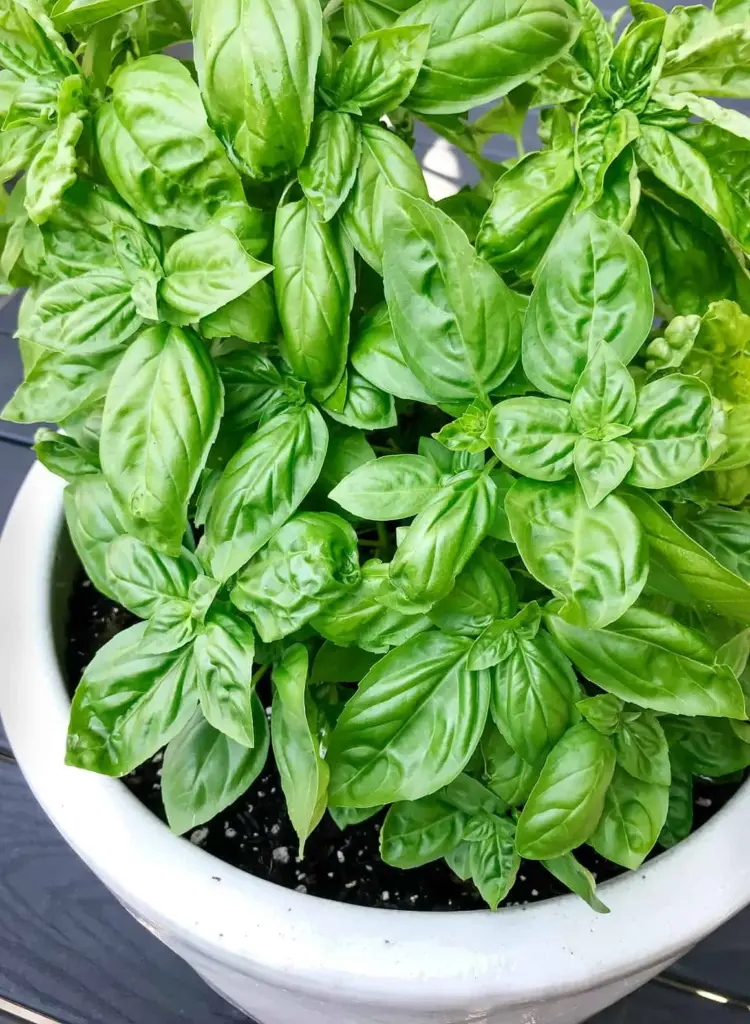
Pesto
Ingredients
Method
- Gather all your ingredients.
- In a food processor, combine the toasted pine nuts, fresh lemon juice, garlic, sea salt, and black pepper. Pulse until well chopped.
- Add the fresh basil leaves and pulse again until bright green and combined.
- With the processor running, slowly drizzle in the extra-virgin olive oil while pulsing until blended.
- If using, add Parmesan cheese and pulse briefly to mix. Adjust consistency with more olive oil if desired.


Leave a Reply