
Homemade Clotted Cream is a heavenly spread that elevates any breakfast or afternoon tea experience. With its rich, creamy texture and slightly sweet, nutty flavor, making your own clotted cream is not only a rewarding project but also an indulgent treat. This recipe is perfect for anyone seeking a comforting, homey experience in the kitchen, and it’s remarkably easy. Follow this simple step-by-step guide to create your very own clotted cream at home.
Ingredients
To make Homemade Clotted Cream, you will need the following:
- 2 pints heavy cream or whipping cream (double cream in the UK, and avoid ultra-pasteurized cream for best results): The heavy cream should be rich and luscious, providing the creamy consistency required for that perfect spread.
Step-by-Step Directions
-
Set Your Oven: Preheat your oven to 180°F (approximately 82°C). This low and slow temperature ensures that the cream develops its unique texture without curdling.
-
Pour the Cream: Carefully pour the heavy cream into a casserole dish, ensuring it rises about 1-3 inches on the sides. This depth is essential for proper clottification.
-
Oven Time: Place the dish, uncovered, in the oven. Leave it undisturbed for about 12 hours. It’s best to prepare this overnight so that the process runs its course while you sleep.
-
Cooling the Cream: Once the 12 hours have passed, carefully remove the dish from the oven. Let it cool for a while before covering it and refrigerating. At this point, the cream might seem thinner than expected, but don’t worry—it will thicken considerably overnight.
-
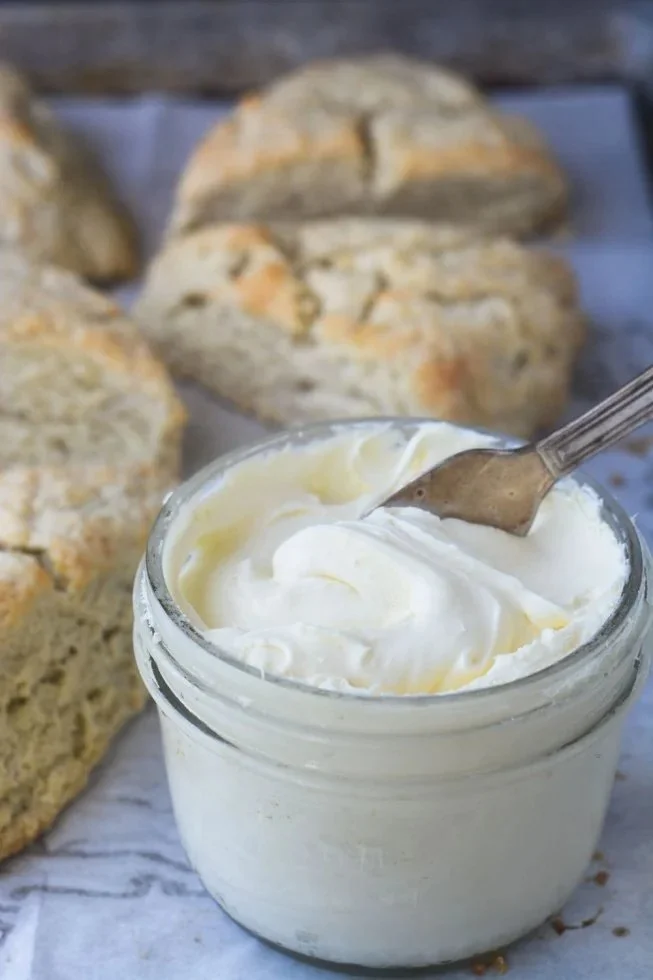
Final Touch: The following morning, you will notice the cream has transformed into a thick, luscious texture. Scoop the clotted cream into jars, covering them as you go, and store them back in the refrigerator. You might want to use any leftover thinner cream for baking.
-
Enjoy: Spread your freshly made clotted cream on scones that are still warm from the oven. The combination of the scones’ warmth and the cream’s coolness is utterly delightful.
Tips & Tricks
- Quality Matters: For the best results, always choose high-quality heavy cream that is not ultra-pasteurized. The unprocessed cream facilitates the clotted texture.
- Avoid the Stirring: Do not disturb the cream while it’s in the oven. Letting it rest undisturbed allows the natural clots to form.
- Timing: If possible, prepare the cream on a day when you’re home, allowing you to keep an eye on it even if you don’t have to intervene.
Serving Suggestions & Pairings
Homemade Clotted Cream shines best when paired with:
- Freshly Baked Scones: The traditional way to enjoy clotted cream.
- Jam or Fruit Preserves: Add a dollop of strawberry or raspberry jam on top of the clotted cream for a sweet contrast.
- Tea Time: Serve it as part of your afternoon tea spread to create a convivial atmosphere for friends and family.
Nutritional Information
The nutritional profile of clotted cream can vary based on ingredients but averages around 100 calories per tablespoon. It’s rich in fat, with a significant amount of saturated fat, so enjoying it in moderation is key to a balanced diet.
Basic Nutritional Facts (per tablespoon)
- Calories: Approximately 100
- Total Fat: 10 grams
- Saturated Fat: 6 grams
- Cholesterol: Approximately 30 mg
Storing Tips & Variations
- Storage: Keep your clotted cream refrigerated in an airtight container for up to a week.
- Freezing: If you want to store it for longer, clotted cream can be frozen for up to 3 months. Just ensure it’s in a freeze-safe container.
- Variations: You can experiment by adding vanilla extract or a sprinkle of sea salt to give your clotted cream a unique twist, making it a delightful gourmet spread.
Conclusion
Homemade Clotted Cream is not just a treat; it’s a delightful experience that you can create right in your kitchen. With its simplicity and rewarding outcome, this recipe is certainly worth your time. So gather your ingredients, follow the steps, and enjoy this elevated spread on your favorite baked goods. Don’t forget to share your experience and any personal tweaks you make along the way!
FAQs
1. Can I use ultra-pasteurized cream for clotted cream?
Using ultra-pasteurized cream is not recommended, as it may not thicken properly. Look for high-quality heavy cream instead.
2. How do I know if my clotted cream has thickened properly?
Clotted cream should have a thick, spreadable consistency reminiscent of soft cheese. If it seems too thin, give it more time in the refrigerator.
3. Can I make clotted cream without an oven?
The traditional method involves an oven, but some alternative recipes exist that use a slow cooker or stovetop to achieve similar results.
4. How do I serve clotted cream properly?
Clotted cream is best served at room temperature spread over warm scones, often accompanied by jam or fruit preserves.
5. What’s the best way to clean my casserole dish after making clotted cream?
Soak the dish in warm, soapy water. The remnants of cream can be stubborn, but soaking will help lift it easier.
Clotted Cream
Ingredients
Method
- Preheat your oven to 180°F (approximately 82°C).
- Pour the heavy cream into a casserole dish, ensuring it rises about 1-3 inches on the sides.
- Place the dish, uncovered, in the oven and leave it undisturbed for about 12 hours.
- After 12 hours, remove the dish from the oven and let it cool before covering and refrigerating.
- The following morning, check the cream which should now be thick. Scoop the clotted cream into jars and store them back in the refrigerator.
- Spread your freshly made clotted cream on warm scones for the best experience.


Leave a Reply