
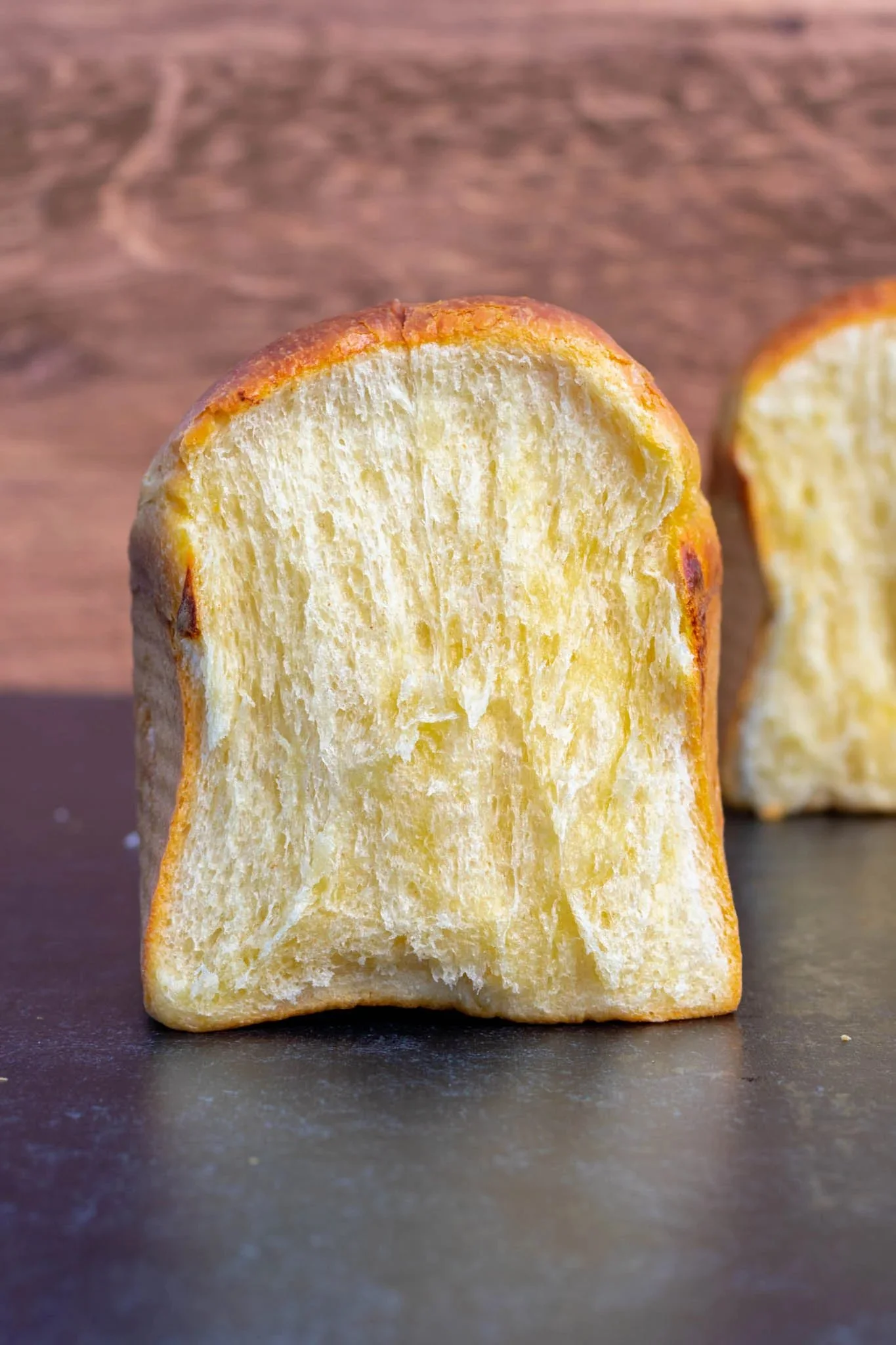
Sourdough Brioche Bread is a delightful fusion of rich, buttery brioche and the tangy complexity of sourdough. This recipe captures the essence of comfort baking, filling your home with the inviting aroma of freshly baked bread. The soft, pillowy texture of this bread makes every bite an experience of sheer indulgence, while the slight tang from the sourdough adds depth and character. It’s worth making not only for special occasions but also for those cozy weekend mornings when you want something simply delicious. Follow this step-by-step guide to create your own Sourdough Brioche Bread, and savor the joy of baking!
Ingredients
To create this luxurious Sourdough Brioche Bread, you will need the following ingredients:
- 30 grams of Sourdough Starter: This gives the bread its signature flavor and texture.
- 30 grams of Bread Flour: Essential for the levain, adding structure.
- 30 grams of Warm Water: Activates the sourdough starter.
- 58 grams of Bread Flour: Used for the yudane, contributing to the bread’s softness.
- 58 grams of Boiling Water: This helps to create a gelatinous mixture for the yudane, enhancing the overall texture.
- 212 grams of Bread Flour: The main ingredient providing the body of the bread.
- 27 grams of Granulated Sugar: Enhances sweetness and assists in browning.
- 5 grams of Sea Salt: Balances the flavors and strengthens gluten.
- 59 grams of Whole Milk: Adds moisture and richness.
- 2 Eggs: These create a rich crumb and help bind the ingredients.
- 113 grams of Unsalted Butter (room temperature): Adds richness and a tender crumb.
- 1 Egg: For the egg wash, providing a beautiful golden crust.
- 1 tsp of Water: Mixed with the egg for the wash.
Step-by-Step Directions
Build the Levain
Begin by mixing together the sourdough starter, bread flour, and warm water in a clean jar. Cover it and let it sit in a warm area for about five hours until it doubles in size and bubbles up, signifying it’s ripe and ready to use. If you’re pressed for time, you can skip this step and use 90 grams of active sourdough starter directly in the dough.
Make the Yudane
Simultaneously, prepare the yudane which will enrich the dough. In a small heatproof bowl, combine 58 grams of bread flour with 58 grams of boiling water. Stir until it forms a thick, gelatinous paste. Set this aside to cool before incorporating it into the final dough, as it will help create a softer texture in the brioche.
Mix the Dough
Once your levain is bubbly and active, it’s time to mix the dough. In the bowl of a stand mixer with a dough hook, combine the levain, yudane, remaining bread flour, sugar, salt, milk, and eggs. Begin mixing on low speed until a shaggy dough forms. Increase the speed to medium and mix for about five minutes until the dough is smoother and almost clears the sides of the bowl. Scrape down the sides if needed.
Add Butter
To enrich your dough even further, chop the room temperature butter into at least eight pieces and slowly add them to the mixing dough on medium speed, one piece at a time. Ensure each piece is fully incorporated before adding the next. This step should take about 10 minutes, after which continue mixing for another five minutes. The dough should be silky smooth and easily slide off the dough hook. Perform the windowpane test to ensure the dough is well-developed.
Bulk Fermentation
Transfer the dough into a medium-sized mixing bowl and cover it. Let it rest in a warm area for about five hours, or until it has doubled in size.
Stretch & Fold
After the first hour of bulk fermentation, perform a series of stretch and folds. Gently pull up a section of dough, stretch it, and fold it back onto itself. Do this for four different sections of the dough. If your dough appears particularly slack after another hour, you can repeat the stretch and fold process.
Overnight Proof
After approximately five hours, when your dough is doubled and slightly domed with bubbles on top, it’s time for the overnight proof. Move the dough to a cold spot in your refrigerator and let it proof for at least eight hours or up to 48 hours. The longer proof enhances flavor and texture.
Divide Dough
The following day, prepare your bread loaf pan by greasing it with butter or cooking spray. Remove the chilled dough from the refrigerator, and gently punch it down to release any excess gas. Turn the dough out onto a floured surface and cut it into four equal pieces, each weighing around 170-175 grams.
Shape Dough
Take one piece of dough and pat it down into a small rectangle (approximately 3"x5"). Starting from the short side, roll the dough tightly into a cylinder. Place the rolled piece seam-side down into the prepared loaf pan and repeat this process for the remaining pieces. Ensure they fit snugly together in the pan.
Final Proof
Cover the shaped dough and allow it to proof in a warm location for about five hours. During this final proof, the dough should double again and feel airy. A gentle poke with a floured finger should leave a slight indentation, indicating it’s ready for baking.
Bake
Preheat your oven to 400ºF (200ºC). Once preheated, beat one egg with a splash of water to create an egg wash. Brush this lightly over the top of the proofed brioche dough. Immediately lower the oven temperature to 350ºF (175ºC) and bake the brioche for about 45 minutes, or until it boasts a beautiful golden brown color. The internal temperature should reach between 195-205ºF. Allow the bread to cool in the pan for about five minutes before turning it out to cool completely on a wire rack.
Pull apart, slice, and enjoy!
Tips & Tricks
For the best results, ensure all your ingredients are at the right temperature before starting. Using room temperature eggs and butter makes mixing easier and ensures a smoother dough. If your kitchen is particularly cool, consider creating a warm proofing environment by placing the covered dough in the oven (turned off) in the early stages of fermentation.
Serving Suggestions & Pairings
Sourdough Brioche Bread is perfect for a variety of occasions. Slice it for breakfast and slather it with butter and homemade jam, or use it for French toast with a hint of cinnamon. It also serves beautifully as a side for savory dishes like soups and salads. Consider pairing it with a hot cup of coffee or tea for an indulging afternoon snack.
Nutritional Information
Each slice of this delightful Sourdough Brioche Bread contains approximately 150–200 calories, depending on thickness. It provides a good source of carbohydrates and fats due to the butter used, paired nicely with proteins from the eggs and milk. While this bread is a treat, enjoy it in moderation as part of a balanced diet.
Storing Tips & Variations
Store any leftover brioche bread in an airtight container at room temperature for up to three days. For longer preservation, consider wrapping it tightly in plastic wrap and freezing it for up to three months. When ready to enjoy, simply thaw at room temperature or warm it in an oven. Variations can include adding dried fruits like cranberries or chocolate chips for a sweet twist or even herbs for a savory touch.
Conclusion
Baking Sourdough Brioche Bread is not only a rewarding experience but also a journey filled with delightful aromas and comforting flavors. Whether for a special occasion or a cozy weekend treat, this recipe is sure to impress. I encourage you to try making this bread yourself and share your experiences! There’s truly nothing like the satisfaction of pulling warm, fragrant bread right from your own oven.
FAQs
Can I use all-purpose flour instead of bread flour?
Yes, all-purpose flour can be used, but using bread flour will yield a chewier texture due to its higher protein content.
What if I don’t have a stand mixer?
You can knead the dough by hand, but it will require more effort and time to develop the gluten. Aim for around 15-20 minutes of kneading by hand.
Can I add flavorings to my brioche?
Absolutely! You can enhance your brioche by adding flavors like vanilla extract, citrus zest, or even chocolate chips during the mixing process.
Why does my dough not rise as expected?
Ensure that your sourdough starter is active and bubbly before using it. Temperature can also affect rise; if your dough is too cool, consider placing it in a warmer spot.
Can I use this recipe for rolls instead?
Yes, simply shape the dough into rolls instead of a loaf, and adjust baking time accordingly—reduce to around 20-25 minutes for smaller rolls. Enjoy!
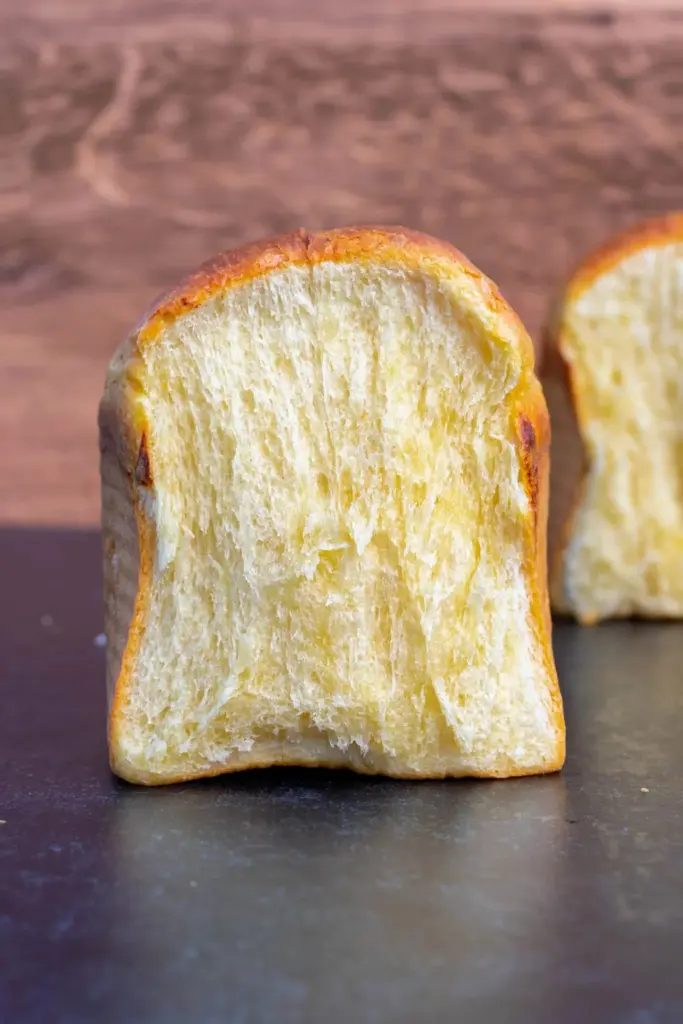
Sourdough Brioche Bread
Ingredients
Method
- Mix together the sourdough starter, bread flour, and warm water in a clean jar. Cover it and let it sit in a warm area for about five hours until it doubles in size and bubbles up.
- In a small heatproof bowl, combine 58 grams of bread flour with 58 grams of boiling water. Stir until it forms a thick, gelatinous paste and set aside to cool.
- In a stand mixer with a dough hook, combine the levain, yudane, remaining bread flour, sugar, salt, milk, and eggs. Mix on low speed until shaggy, then increase to medium and mix for about five minutes.
- Gradually add the room temperature butter in pieces while mixing. Continue mixing for another five minutes, until silky smooth.
- Transfer the dough to a bowl, cover, and let rest in a warm area for about five hours until doubled in size.
- Perform stretch and folds after the first hour of bulk fermentation by gently pulling and folding sections of the dough.
- Refrigerate the dough for at least eight hours or up to 48 hours to enhance flavor and texture.
- Remove the chilled dough, punch it down, and cut it into four equal pieces.
- Roll each piece tightly into cylinders and place seam-side down in a greased loaf pan.
- Cover the shaped dough and let it proof in a warm location for about five hours until it doubles again.
- Preheat oven to 400ºF. Brush the proofed dough with an egg wash and lower the temperature to 350ºF. Bake for about 45 minutes until golden brown.

Leave a Reply