
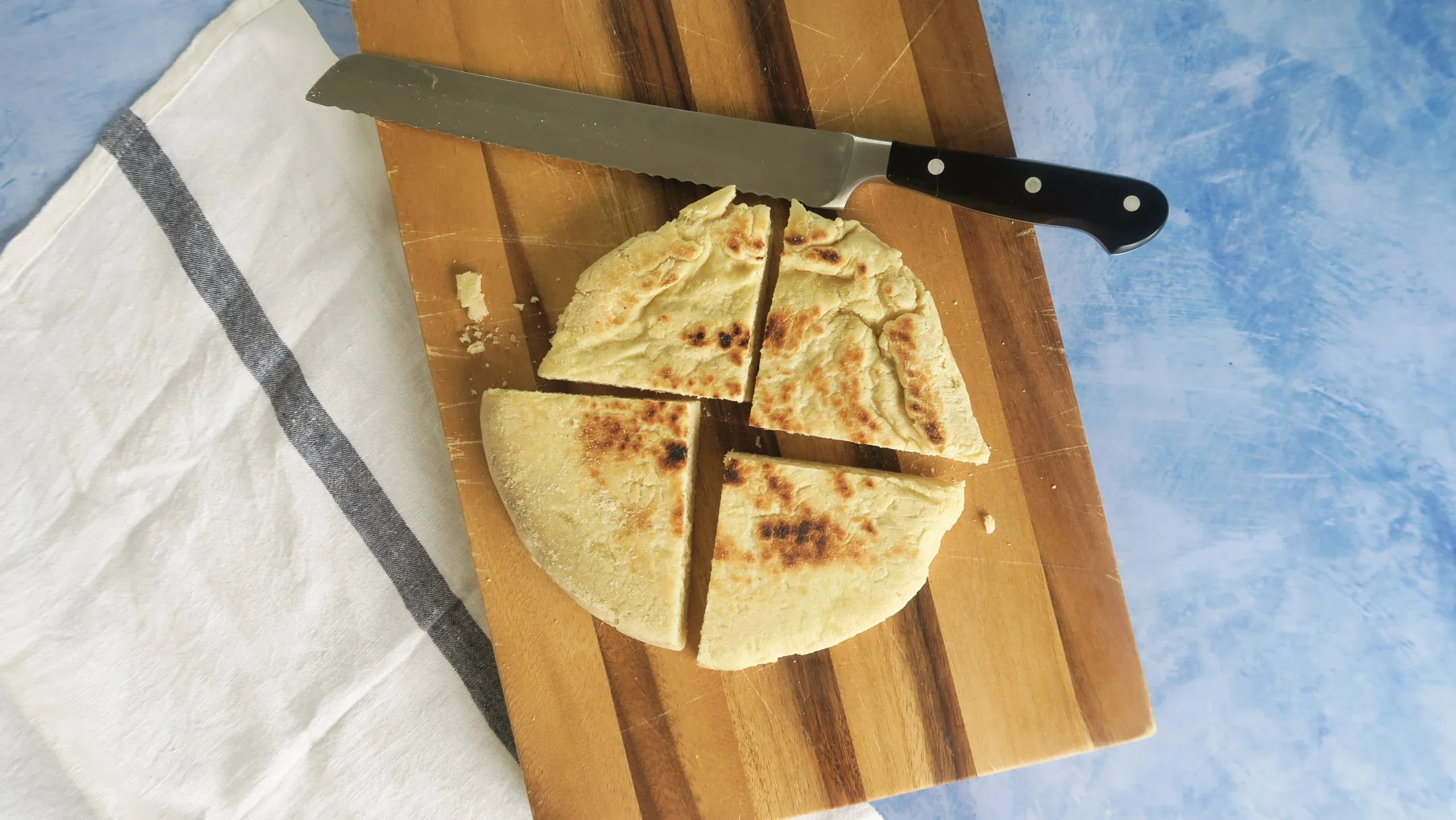
Algerian Semolina Bread – Kesra is a delightful staple that embodies the heart of Algerian cuisine. This comforting bread brings warmth and nostalgia, evoking memories of family gatherings and hearty meals. With its chewy texture and slightly nutty flavor, Kesra is perfect for dipping or as an accompaniment to your favorite stews and tagines. In this recipe, you’ll find a step-by-step guide to create this delicious bread, offering a blend of simplicity and fulfillment that makes it a cherished addition to any meal.
Ingredients
- 250 g Fine semolina flour (plus extra for dusting) – This flour gives the bread a unique, slightly coarse texture that enhances its chewiness.
- 250 g Strong bread flour – This high-protein flour ensures that the bread rises beautifully, contributing to its airy structure.
- Pinch of salt – Essential for enhancing the flavors of the bread.
- 4 g quick dried yeast – This is the star ingredient that causes the dough to rise, giving the bread its lightness.
- 4 g caster sugar – A small touch of sweetness that helps activate the yeast.
- 60 ml olive oil (plus extra for greasing) – This olive oil adds richness and a subtle fruitiness to the bread.
- 200 ml water – The foundation of the dough, bringing all the ingredients together to create a soft texture.
- 1 tsp Nigella seeds (optional) – These aromatic seeds add a lovely complexity to the flavor profile.
Step-by-Step Directions
First, mix together the fine semolina flour, strong bread flour, and salt in a large mixing bowl. Then, add in the yeast and sugar, combining everything thoroughly. This initial step sets the foundation for the flavor and texture of the bread.
Next, create a well in the center of the dry ingredients and pour in the olive oil. Using a wooden spoon, mix everything together until you achieve a crumbly consistency. Gradually add the water, bit by bit, until a soft dough is formed. It’s helpful to use a dough scraper to combine the mixture effectively. Be cautious not to make it too sticky; if needed, you can counteract excess water by adding a little more strong bread flour.
After that, cover the mixture with a tea towel and set it aside for about 5 minutes. This short resting period helps the ingredients interact and develop flavor.
Then, sprinkle your work surface with a tablespoon of semolina flour. Knead the dough for about 5 minutes until it becomes smooth and soft. Once kneaded, divide the dough into two equal portions and shape them into balls. Wrap each ball in a damp tea towel and allow them to rise for approximately 1 hour until doubled in size.
As your dough rises, preheat your oven to 150 degrees fan/170 degrees/gas mark 2. Once the dough has risen, dust your surface with a bit more semolina flour and roll each ball into a circle about 8 inches in diameter. If desired, sprinkle nigella seeds on top for added flavor.
Now, grease a cast-iron pan with a little olive oil and heat it on high. Cook each circle of dough for about 1-2 minutes on each side until they are beautifully brown. Finally, transfer both circles to a baking tray and finish baking them in the oven for about 10 minutes to ensure they are crisp.
Tips & Tricks
- Perfect Your Technique: Don’t rush the kneading process. Gentle, consistent kneading helps develop gluten, leading to better texture.
- Temperature Matters: Ensure your water is warm but not hot when mixing with yeast, as high temperatures can kill the yeast cells.
- Experiment with Toppings: Feel free to sprinkle other seeds or herbs on the dough before cooking for added flavor.
Serving Suggestions & Pairings
Kesra is incredibly versatile. Serve it warm alongside bowls of stews, such as lamb tagine or chickpea casseroles, for traditional Algerian meals. Alternatively, enjoy it with olive oil for dipping or serve it alongside fresh salads for a lighter meal. It’s also a great companion for breakfast with honey and yogurt!
Nutritional Information
Each serving of Kesra contains approximately 180 calories, with a healthy balance of carbohydrates from the flours. It is high in fiber, making it a filling choice to complement various dishes. While indulging in this bread, consider pairing it with protein-rich stews to create a nourishing meal.
Storing Tips & Variations
To store your Kesra, wrap it in a clean kitchen towel and place it in a plastic bag. It keeps well at room temperature for up to three days. For longer storage, consider freezing the bread. Simply slice it and wrap portions in plastic wrap, then store them in a freezer bag. To reheat, pop it in the oven until warm.
You can also experiment with Kesra by incorporating herbs or spices into the dough for unique variations. For instance, adding roasted garlic or herbs like rosemary can significantly alter the flavor profile.
Conclusion
Algerian Semolina Bread – Kesra is a must-try recipe that offers a beautiful blend of flavor and texture. It’s easy to make, comforting, and has that nostalgic quality that brings people together. I encourage you to make this bread and enjoy its rich, aromatic qualities. Share your experience and let us know how you paired it with your favorite dishes!
FAQs
-
Can I use other types of flour?
Yes, while semolina and strong bread flour give the best texture, you can experiment with whole wheat flour or all-purpose flour for different flavors. -
How long does the dough need to rise?
The dough should rise for about 1 hour, or until it has doubled in size. If your kitchen is cooler, it may take a little longer. -
Can I make Kesra in advance?
Absolutely! You can prepare the dough earlier and refrigerate it. Just remember to let it come to room temperature before cooking. -
What if my dough is too sticky?
If the dough feels sticky, gradually add more strong bread flour until you reach a dough that is soft but manageable. -
Are there gluten-free options for this recipe?
You may try using a gluten-free flour blend, but the texture will differ. Adjust the liquid amounts as needed since gluten-free flours absorb water differently.
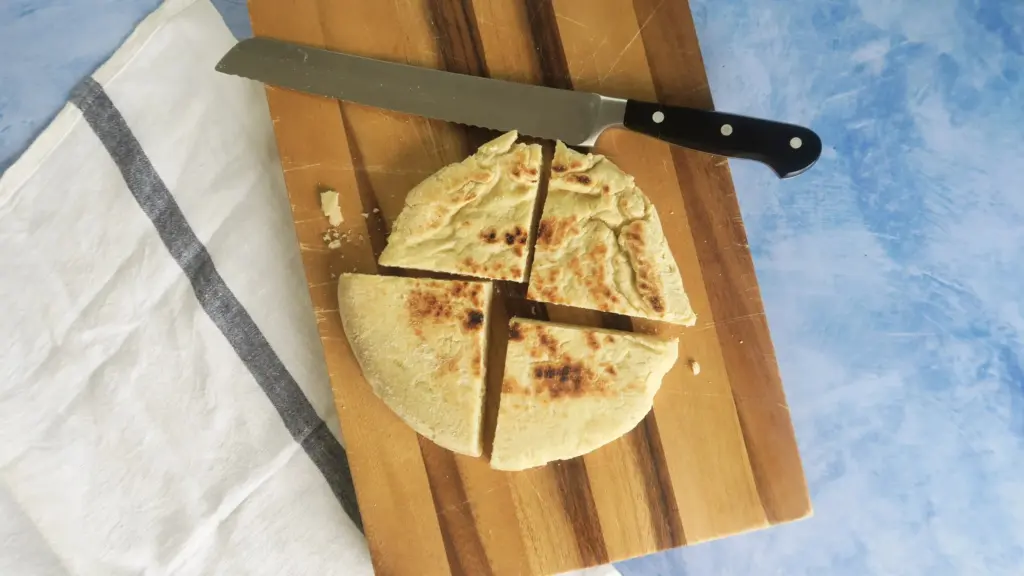
Kesra
Ingredients
Method
- Mix together the fine semolina flour, strong bread flour, and salt in a large mixing bowl.
- Add the yeast and sugar, combining everything thoroughly.
- Create a well in the center and pour in the olive oil. Mix until crumbly.
- Gradually add water until a soft dough forms, using a dough scraper to combine.
- Cover with a tea towel and let sit for about 5 minutes.
- Sprinkle the work surface with semolina flour and knead the dough for about 5 minutes until smooth.
- Divide into two equal portions, shape into balls, and wrap in damp towels.
- Let rise for approximately 1 hour until doubled in size.
- Preheat your oven to 150 degrees fan/170 degrees/gas mark 2.
- Dust the surface with more semolina and roll each ball into an 8-inch circle.
- Optional: Sprinkle nigella seeds on top.
- Grease a cast-iron pan with olive oil and heat on high.
- Cook each circle for 1-2 minutes on each side until browned.
- Transfer to a baking tray and bake in the oven for about 10 minutes.

Leave a Reply