
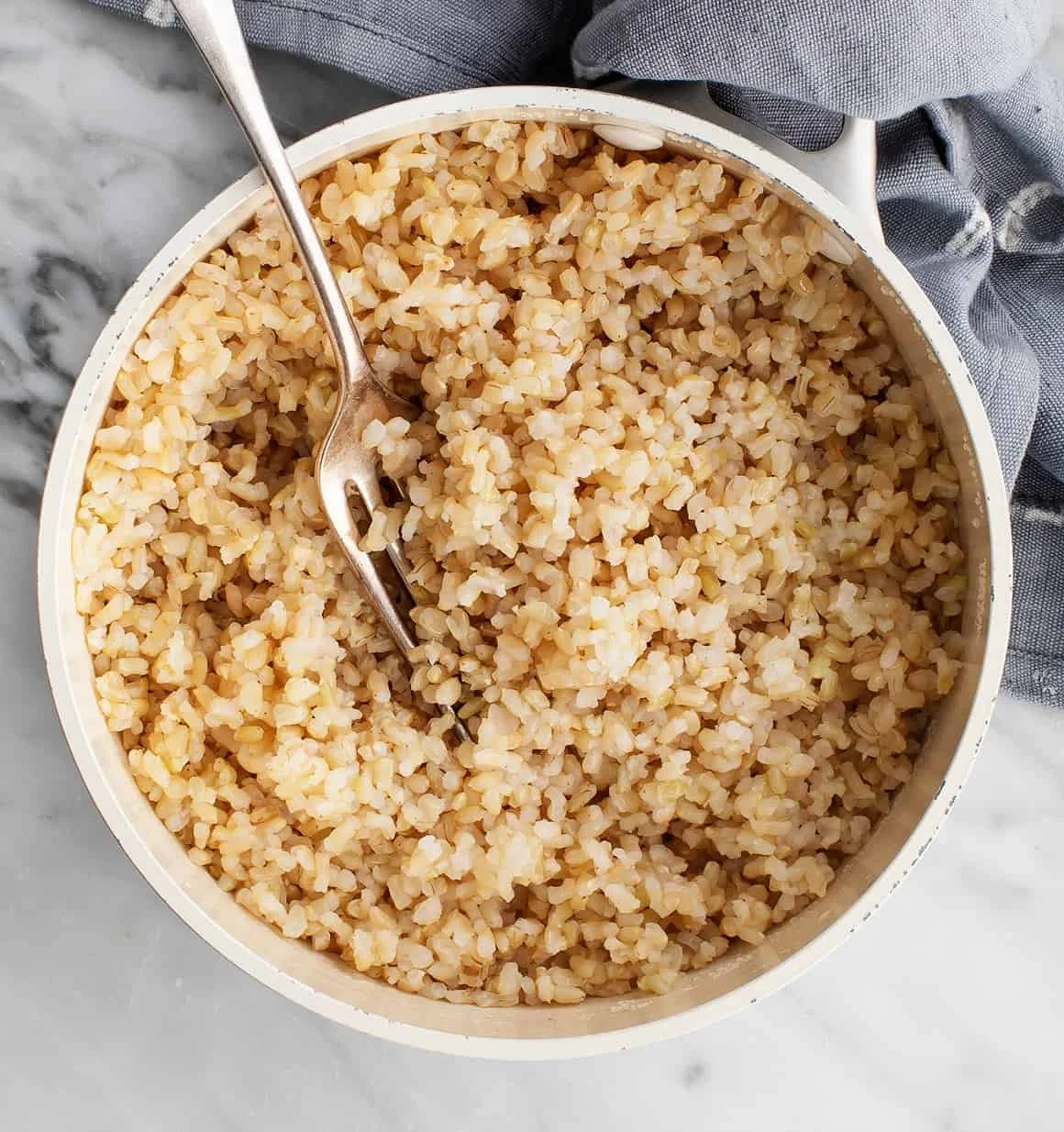
Brown rice is a fantastic staple that combines heartiness with nutritional benefits. This wholesome grain has a nutty flavor and chewy texture that can elevate virtually any meal. The best part? Cooking brown rice is a breeze when you follow this easy recipe. It’s both rewarding and comforting, perfect for busy weeknights or a cozy family dinner. Whether you are a novice in the kitchen or seasoned chef, this step-by-step guide will ensure a perfect batch of brown rice every time.
Ingredients
- 1 cup uncooked brown rice (well rinsed)
- 2 cups water
- 1 teaspoon extra-virgin olive oil
Begin with 1 cup of uncooked brown rice, which transforms into tender, fluffy grains once cooked. The rice should be well rinsed; this small step enhances its flavor and removes excess starch, ensuring a lighter texture. Next, gather 2 cups of water, which will hydrate and soften the rice, resulting in a beautifully cooked dish. Finally, add a teaspoon of extra-virgin olive oil, which adds a hint of richness and helps separate the grains, giving you that desired fluffy consistency.
Step-by-Step Directions
- Start by placing the well-rinsed brown rice into a medium-sized pot.
- Add the 2 cups of water and 1 teaspoon of extra-virgin olive oil to the pot.
- Bring the mixture to a vigorous boil over medium-high heat. Keep an eye on it, as it can boil over quickly.
- Once boiling, cover the pot with a lid, reduce the heat to low, and let it simmer gently for 45 minutes. This slow cooking process allows the rice to absorb the water thoroughly, becoming tender yet slightly chewy.
- After the time is up, remove the pot from the heat but keep it covered. Let the rice sit for another 10 minutes. This resting period allows any remaining steam to finish the cooking process, ensuring perfectly cooked rice.
- Use a fork to fluff the rice gently, separating the grains. Voila! You have a delightful batch of brown rice ready to enjoy.
Tips & Tricks
To enhance the flavor of your brown rice, consider adding a pinch of salt or cooking it in vegetable or chicken broth instead of water. For a little extra zing, infuse the water with herbs or spices before boiling. If you enjoy a nuttier flavor, toast the rinsed rice in the pot dry for a few minutes before adding water.
Serving Suggestions & Pairings
Brown rice serves as a delightful base for a variety of dishes. Pair it with stir-fried vegetables, grilled chicken, or a fragrant curry for a well-rounded meal. It’s also excellent as a side dish for proteins like fish or beef. For an easy lunch option, toss leftover brown rice with fresh veggies and a simple dressing for a refreshing salad.
Nutritional Information
One cup of cooked brown rice typically contains around 215 calories, 5 grams of protein, and 45 grams of carbohydrates, making it a wholesome choice for any diet. It is also a great source of fiber, which aids digestion and promotes a healthy gut. Balanced by protein and healthy fats in your meal, brown rice can be a nutritious component of a well-rounded diet.
Storing Tips & Variations
Store any leftover brown rice in an airtight container in the refrigerator for up to 4 days. When reheating, splash a little water to restore moisture. You can also freeze brown rice for longer storage, which can be a timesaver for meal prep. For variety, try adding different spices or fresh herbs to the cooking water to change the flavor profile. You can also mix in sautéed vegetables or beans for a complete meal.
Conclusion
Give this simple brown rice recipe a try! It’s a versatile and nutritious grain that can easily be paired with other ingredients to create a delicious meal. Don’t forget to share your experience and any variations you tried in the comments.
FAQs
-
Can I use brown rice instead of white rice in recipes?
Yes, you can substitute brown rice for white rice, but keep in mind that the cooking times will differ. Brown rice takes longer to cook due to its outer bran layer. -
Does brown rice need to be soaked before cooking?
Soaking isn’t necessary, but it can reduce cooking time and improve texture. If you prefer to soak it, do so for about 30 minutes and adjust the water accordingly. -
How much water is needed for cooking brown rice?
A common ratio is 2 cups of water for every cup of brown rice. This ensures that the rice cooks thoroughly and absorbs all the moisture. -
Can brown rice be cooked in a rice cooker?
Absolutely! Follow the same rice-to-water ratio. Most rice cookers have a specific setting for brown rice, so check the manufacturer’s instructions for best results. -
What are some toppings I can add to brown rice?
You can top brown rice with a variety of ingredients such as sautéed vegetables, grilled chicken, nuts, seeds, or even a fried egg for a hearty meal.
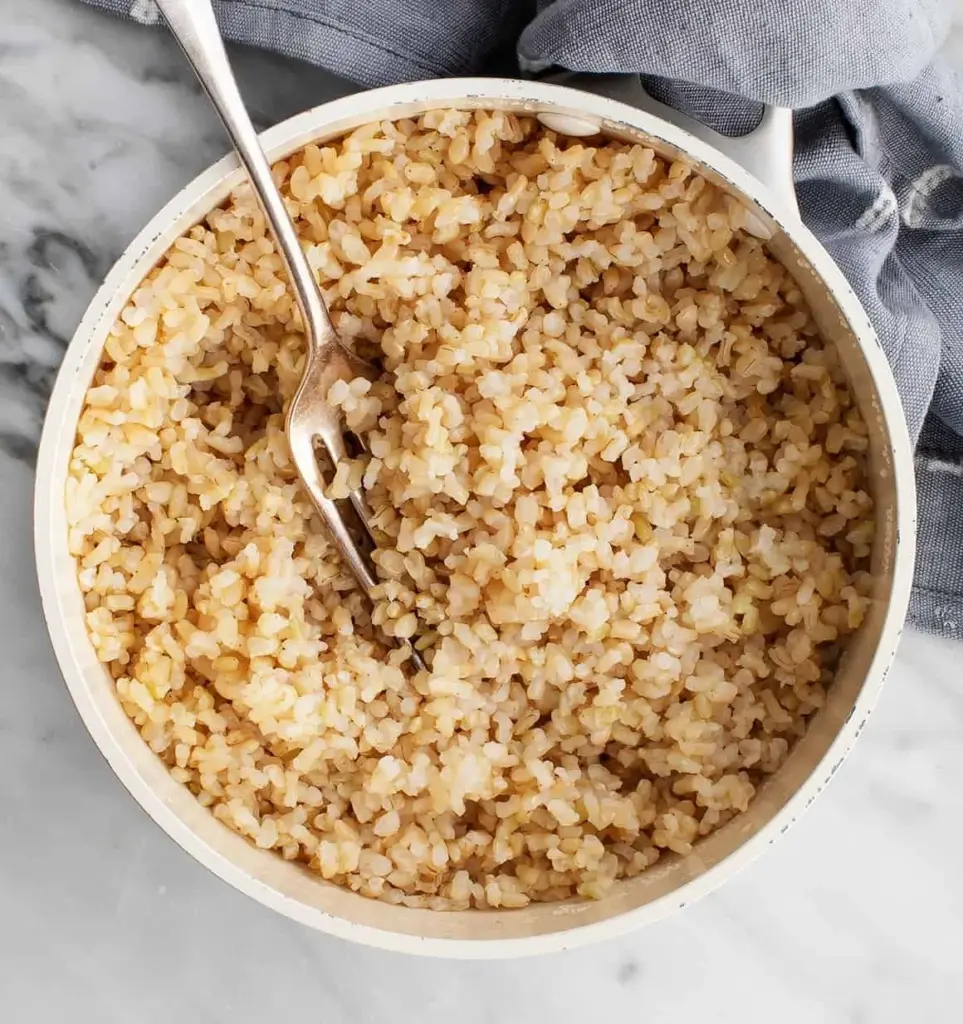
Brown Rice
Ingredients
Method
- Place the well-rinsed brown rice into a medium-sized pot.
- Add the 2 cups of water and 1 teaspoon of extra-virgin olive oil to the pot.
- Bring the mixture to a vigorous boil over medium-high heat.
- Once boiling, cover the pot with a lid, reduce the heat to low, and let it simmer gently for 45 minutes.
- After the time is up, remove the pot from the heat but keep it covered for another 10 minutes.
- Use a fork to fluff the rice gently, separating the grains.

Leave a Reply